The Artistic Impact of Black Wine: A Comprehensive Guide to This Modern Blackletter Typeface
In the ever-evolving landscape of digital design and physical crafting, typography serves as more than just a vehicle for text; it is an emotional anchor. Among the vast array of typefaces available to creators today, Black Wine has emerged as a distinctive choice for those seeking to blend historical elegance with contemporary utility. Classified as a modern blackletter font, this typeface offers a unique aesthetic that bridges the gap between medieval calligraphy and current design trends. Whether you are a seasoned graphic designer working on high-end branding or a hobbyist crafter preparing materials for a wedding invitation, understanding the nuances of fonts like Black Wine is essential for achieving professional results.
This article explores the characteristics, applications, technical compatibility, and creative potential of Black Wine. By examining its origins and practical uses, we aim to provide a thorough resource for anyone looking to incorporate this striking typeface into their projects.
Understanding the Aesthetic of Modern Blackletter
To appreciate Black Wine, one must first understand the broader category of blackletter typography. Historically known as Gothic script, blackletter originated in Western Europe during the 12th century. It was characterized by dense, angular strokes and complex interlocking forms, designed to maximize the use of expensive parchment while creating a visually imposing presence. However, traditional blackletter can often feel heavy, archaic, or difficult to read in small sizes.
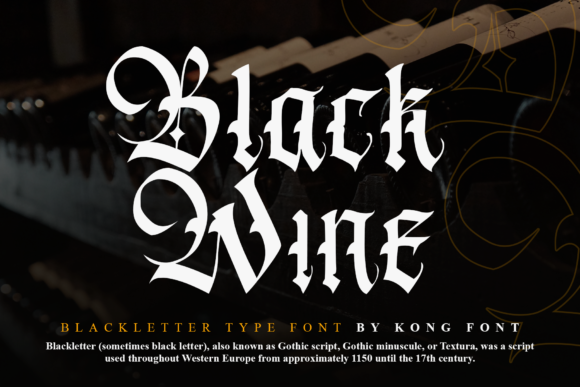
Black Wine represents a modern interpretation of this style. It retains the dramatic flair and ornate structure of its ancestors but refines the proportions to suit contemporary sensibilities. The term "modern" in this context implies a cleaner execution, perhaps with slightly more open counters (the enclosed spaces within letters) and a balanced weight distribution that prevents the text from appearing too dark or muddy when scaled down. This evolution makes it accessible for a wider range of design needs without sacrificing the gravitas associated with gothic scripts.
The name itself suggests a certain depth and richness, much like the beverage it references. Visually, the font delivers on this promise through its bold, confident strokes. It commands attention, making it ideal for headlines, logos, and decorative elements where impact is paramount. For designers, choosing a font involves balancing legibility with personality, and Black Wine strikes a compelling chord by offering high visual interest while remaining structurally sound.
Key Characteristics and Design Features
When evaluating Black Wine for a specific project, several distinct features stand out:
- Ornate Detailing: The letterforms feature intricate details that mimic the hand-drawn quality of traditional quill work. These flourishes add texture and sophistication to any composition.
- High Contrast: Like many blackletter styles, Black Wine utilizes significant contrast between thick and thin lines. This contrast creates a dynamic rhythm that guides the eye across the text.
- Angular Geometry: While some modern interpretations soften edges, Black Wine maintains sharp angles that contribute to its strong, assertive character.
- Versatile Weight: Depending on the specific weights available within the family, the font can range from bold display types to lighter variants suitable for subheadings or accent text.
These characteristics make Black Wine particularly effective in contexts where tradition meets modernity. It is not merely a novelty font; it is a tool capable of conveying heritage, luxury, and craftsmanship simultaneously.
Target Audience and User Profiles
The versatility of Black Wine allows it to serve a diverse audience. Below are the primary user groups who benefit most from incorporating this font into their workflows.
Crafters and Small Business Owners
For individuals operating in the handmade goods market, such as those selling custom t-shirts, mugs, or home decor, typography is a key differentiator. Platforms like Etsy have seen a surge in demand for products with personalized, vintage-inspired aesthetics. Black Wine provides these business owners with a professional-grade asset that elevates their product designs. When used on merchandise, the font adds a touch of exclusivity and artisanal quality that resonates with consumers looking for unique items.
Graphic Designers and Brand Strategists
Professional designers often seek typefaces that can evoke specific emotions quickly. Black Wine is excellent for brands in the brewing industry, artisanal food producers, tattoo studios, or boutique hotels that wish to communicate heritage and authenticity. Its modern twist ensures that it does not look outdated, allowing brands to appear established yet relevant. Designers can pair Black Wine with minimalist sans-serif fonts to create a striking juxtaposition between old-world charm and clean modernism.
Educators and Researchers
While less common for body text, educators teaching art history, typography, or literature may find value in demonstrating the evolution of script. Using Black Wine as an example of modern adaptation helps students understand how historical styles are reinterpreted for new media. Researchers analyzing the psychology of color and form in marketing can also study how the density and angle of blackletter fonts influence consumer perception of trust and quality.
Hobbyists and Enthusiasts
DIY enthusiasts engaged in scrapbooking, journaling, or creating greeting cards often look for fonts that offer a personal, handcrafted feel. Black Wine allows hobbyists to achieve a polished look without needing advanced calligraphy skills. It democratizes the aesthetic of formal script, making it accessible to anyone with a computer and a printer.
Technical Compatibility and Workflow Integration
A critical factor in adopting any digital font is its compatibility with the software tools users already possess. Black Wine is designed to be user-friendly across various platforms, ensuring that creators can integrate it seamlessly into their existing workflows.
Compatibility with Photoshop
Adobe Photoshop remains a staple in the toolkit of graphic designers and photo editors. Black Wine is fully compatible with Photoshop, allowing users to apply the font to images, create text overlays, and manipulate typography using layers and blending modes. This compatibility enables complex compositions where the font interacts dynamically with photographic elements. For instance, a designer might overlay Black Wine text onto a textured background, using layer effects to enhance the rugged, organic feel of the typeface.
Silhouette Design Studio Integration
For crafters using cutting machines, such as those made by Silhouette, font compatibility extends beyond visual display to vector conversion. Black Wine works well with Silhouette Design Studio, allowing users to convert text into cuttable paths. This is crucial for producing physical items like vinyl decals, iron-on transfers, and paper crafts. The precision of the font’s vectors ensures clean cuts, preventing jagged edges or misaligned parts that could ruin a final product. This seamless integration reduces the friction between digital design and physical production, saving time and reducing material waste.
Other Design Tools
Beyond Photoshop and Silhouette, Black Wine is generally compatible with other major design suites, including Adobe Illustrator, CorelDRAW, and Canva. This broad support means that whether a user is working on a large-scale banner print or a social media graphic, they can rely on the font to render correctly. Always ensure that the font file is properly installed in your system directory before launching your preferred application to avoid substitution issues.
Practical Use Cases and Applications
Understanding where to apply Black Wine is just as important as knowing how to install it. Here are several real-world scenarios where this font shines.
Branding and Logo Design
A logo is the face of a brand, and Black Wine can lend immediate authority and character. It is particularly effective for businesses in the craft beer, whiskey, or artisanal bakery sectors. Imagine a brewery label featuring Black Wine for the brand name, paired with a simple icon. The contrast between the elaborate script and the simple imagery creates a memorable visual identity that stands out on crowded shelves.
Event Invitations and Stationery
Weddings, galas, and formal events often require typography that conveys elegance and celebration. Black Wine serves as an excellent alternative to traditional cursive scripts, offering a bolder statement. It works beautifully for save-the-dates, menu cards, and place settings. When combined with gold foil stamping or embossing techniques, the deep blacks of the font pop against textured paper, creating a luxurious tactile experience for the recipient.
Merchandise and Apparel
In the world of fashion and streetwear, blackletter fonts have seen a resurgence. T-shirts, hoodies, and tote bags featuring Black Wine designs can appeal to audiences interested in rock music, vintage culture, or urban aesthetics. The font’s strong presence ensures visibility even from a distance, making it ideal for apparel graphics. Crafters can use the font in Silhouette Design Studio to create precise cut-files for heat transfer vinyl, ensuring crisp edges on fabric.
Digital Content and Social Media
Even in the digital realm, Black Wine can capture attention. Headers on blogs, YouTube thumbnails, and Instagram posts benefit from the font’s ability to stop the scroll. However, due to its complexity, it should be used sparingly. Large headings or short phrases work best, while long paragraphs should be reserved for simpler, more readable typefaces to maintain user engagement.
Considerations for Best Practices
While Black Wine is a powerful tool, it requires thoughtful handling to avoid common pitfalls. Here are some guidelines to keep in mind:
- Legibility: Avoid using Black Wine for body text. Its intricate details become difficult to decipher at small sizes. Reserve it for titles, headings, and short accents.
- Kerning and Spacing: Blackletter fonts often require careful adjustment of letter spacing. Tight kerning can cause the thick strokes to collide, creating a muddy appearance. Experiment with spacing to ensure each character has room to breathe.
- Pairing: Balance the heaviness of Black Wine with lighter, simpler fonts. A clean sans-serif or a delicate serif can provide the necessary contrast to highlight the blackletter element without overwhelming the viewer.
- Contextual Appropriateness: Consider the tone of your message. Black Wine evokes feelings of tradition, strength, and formality. It may not be suitable for casual, playful, or tech-forward brands that prioritize approachability and innovation over heritage.
Conclusion
Black Wine stands out as a versatile and impactful typeface that honors the rich history of blackletter while embracing modern design principles. Its compatibility with industry-standard tools like Photoshop and Silhouette Design Studio makes it an accessible asset for a wide range of users, from professional designers to passionate hobbyists. By understanding its characteristics and applying it thoughtfully, creators can produce work that is both visually striking and emotionally resonant. Whether you are designing a brand identity, crafting a wedding invitation, or creating custom merchandise, Black Wine offers a sophisticated solution that adds depth and character to your projects. As digital and physical design continue to converge, fonts like Black Wine will remain essential tools for those seeking to communicate with clarity, style, and distinction.